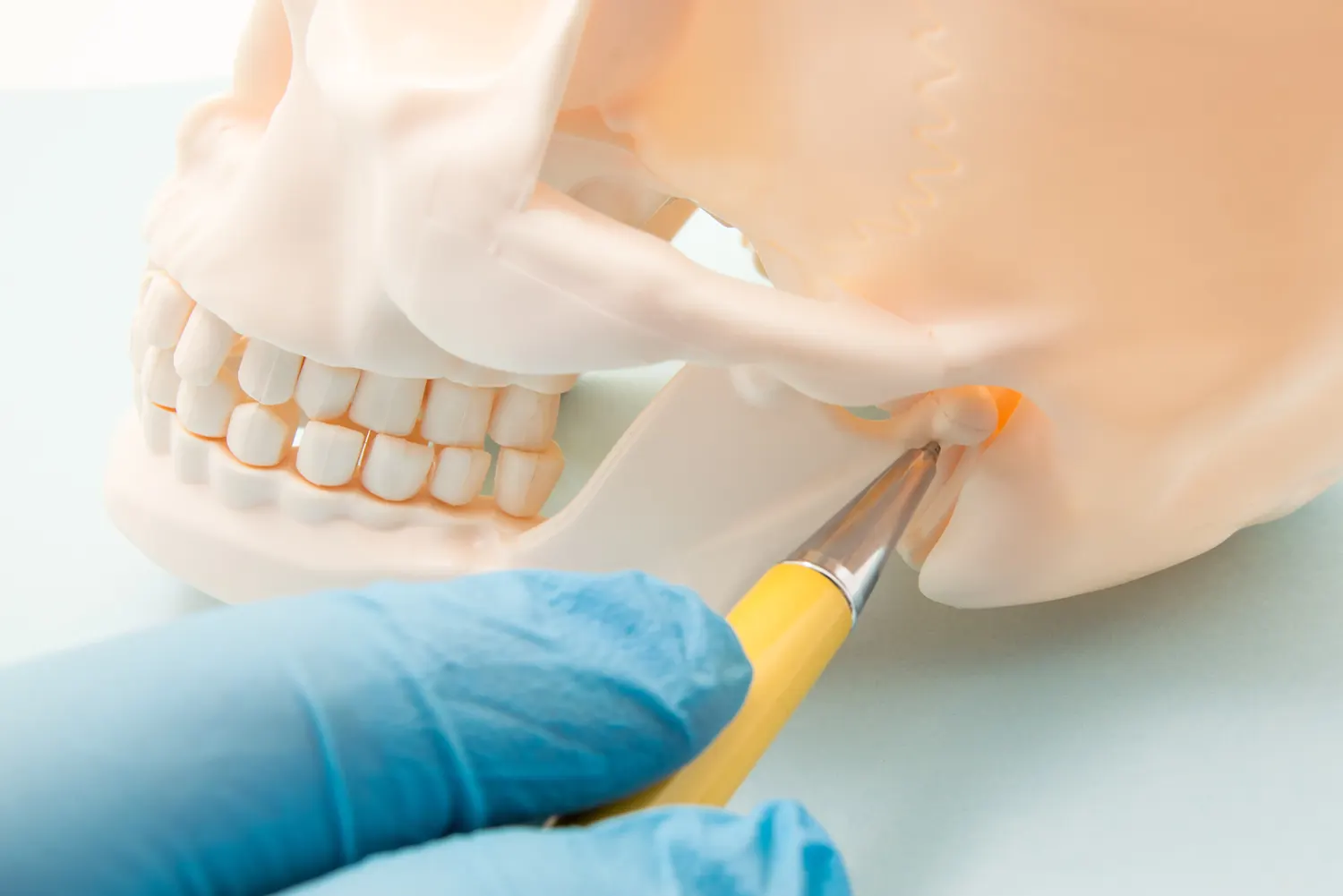
When most people think about oral health, they focus on their teeth. But there’s another critical part of your smile that deserves equal attention: your jawbone. At Advanced Periodontics in Monroe, CT, we help patients understand that the bone supporting your teeth is just as important as the teeth themselves. Your jawbone acts as the foundation of your smile—without healthy bone, your teeth cannot stay stable, functional, and secure.
Your Jawbone Is the Foundation of Your Smile
Each tooth is supported by bone, gum tissue, and surrounding structures that hold it in place. When that foundation is healthy, your teeth are more stable. When it weakens, teeth can become loose, shift, or eventually be lost. Your tooth is only as strong as the support around it—a tooth may look fine on the outside, but if the underlying bone has been damaged, it may not be as secure as it appears.
This is why periodontal care is essential. Periodontics focuses on the gums, bone, and supporting structures around teeth. We evaluate not only what’s visible when you smile, but also what’s happening beneath the surface, where important long-term oral health concerns begin.
Many patients are surprised to learn that bone loss can happen quietly. You may not feel pain right away or notice dramatic changes initially. But over time, loss of supporting bone can affect your ability to keep natural teeth or receive dental implants in the future.
How Gum Disease Leads to Jawbone Loss
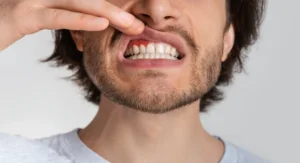
One of the main causes of jawbone loss is gum disease—an infection of the tissues supporting your teeth. In early stages, you may experience bleeding gums, tenderness, swelling, or bad breath. As it progresses, the infection damages the bone holding teeth in place.
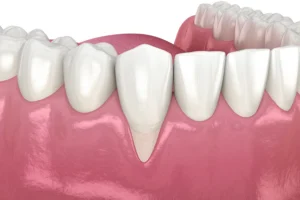
This is where gum disease becomes especially serious: it’s not just a “gum problem,” but a bone problem. As supporting bone breaks down, teeth may feel loose, spaces may develop, and your bite may change. In advanced cases, teeth may need removal because there’s no longer enough bone support.
At Advanced Periodontics, we emphasize that treating gum disease means stopping the disease process, protecting supporting bone, and preserving natural teeth whenever possible. Once bone is lost, rebuilding it is often more complex than preserving it in the first place. Early, thorough care is essential.
Why Bone Loss Is Difficult to Reverse
Modern periodontal and implant dentistry has advanced significantly, and bone grafting and regenerative procedures may help rebuild bone in certain situations. However, every case differs based on the amount of bone loss, its cause, your overall health, your oral hygiene, and your treatment goals.
We never want patients to wait until something becomes painful or urgent. By the time a tooth is loose or an infection is severe, treatment becomes more involved. When we catch gum disease earlier, we have more options and better opportunities to protect remaining bone.
What Happens After a Tooth Is Removed?
When a tooth is removed, the surrounding bone no longer receives stimulation from the tooth root. Over time, that area of the jaw can shrink—a natural process that creates challenges later.
If you’re interested in replacing the missing tooth with a dental implant, the implant needs adequate bone for support. If too much bone is lost after extraction, implant placement may become more difficult or require bone grafting beforehand.
This is why thinking ahead before tooth removal is critical. When a tooth is hopeless, infected, or painful, the immediate priority is removal and comfort. But simultaneously, we should discuss your future smile: Are you considering a dental implant? Would preserving bone now make treatment easier later?
At Advanced Periodontics, we believe patients deserve to understand these options before extraction. Tooth removal should address both the immediate problem and long-term oral health.
Jawbone Preservation and Bone Grafting
Jawbone preservation is a proactive step often recommended at tooth extraction, especially if you’re planning to replace the tooth with a dental implant. After tooth removal, bone grafting material can be placed where the tooth was. This preserves the shape and volume of the jawbone while healing and prepares the site for future implant placement.
Bone grafting is a common procedure in periodontal and implant dentistry. The grafting material acts as a scaffold supporting healing, allowing your natural bone to grow into the area over time. If a dental implant may be part of your future plan, bone preservation is worth discussing before extraction. It’s often easier to preserve bone at extraction than to rebuild significant bone loss later.
Why Jawbone Health Matters for Dental Implants
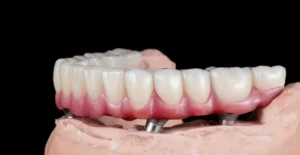
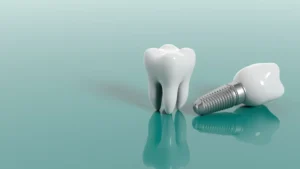
Dental implants are an advanced way to replace missing teeth. They can replace a single tooth, support a bridge, or stabilize dentures. Unlike removable options, implants function as artificial tooth roots, providing support for a crown, bridge, or denture.
For implants to succeed, they need a healthy foundation: your jawbone. When evaluating patients for implants, one of the most important things we assess is the amount and quality of bone where the implant would be placed. The implant needs enough bone for secure placement. If insufficient bone exists, we may discuss bone grafting or other advanced options before placement.
Your overall health also matters. We ensure you’re healthy enough for dental treatment and your mouth can support long-term success. Untreated gum disease must be addressed because infection and inflammation compromise implant health.
If You’ve Been Told You Don’t Have Enough Bone
If you were previously told you lack sufficient bone for implants, we encourage you not to assume that answer remains final. Dentistry has evolved. Implant techniques have advanced. Bone grafting options have improved. Many patients once deemed ineligible may now have available possibilities.
This doesn’t mean every patient will automatically qualify, but an updated consultation is worthwhile. We can evaluate your current bone structure, discuss your goals, and explain available options—whether through bone grafting, different implant techniques, or alternative treatment designs.
Dental Implants Versus Other Tooth Replacement Options
Today, patients missing teeth often have more choices than they realize. While dentures remain valuable, dental implants offer additional options. Implants can replace one missing tooth without involving neighboring teeth. They can also support multiple teeth or stabilize a denture for secure placement.
For patients struggling with loose dentures, implant-supported options can improve chewing, speaking, comfort, and confidence. For those missing one tooth, implants often feel more natural than removable appliances.
The right option depends on bone health, gum health, number of missing teeth, medical history, budget, and personal goals. Our role is helping you understand these options clearly for an informed decision.
Why Long-Term Planning Before Extraction Matters
Here’s our most important message: if you need a tooth removed, discuss the long-term plan beforehand.
When a tooth is infected or painful, it’s natural to focus on removal and relief. That matters. But once removed, the area heals and changes. If bone preservation isn’t performed at extraction, the jawbone may shrink, complicating future implant treatment.
We think several steps ahead. Before extraction, ask: Will I need bone grafting? Am I a candidate for a dental implant? What happens if I wait to replace the tooth? How can we preserve bone in this area?
When to Schedule a Consultation
You may benefit from a consultation at Advanced Periodontics if you have gum disease, loose teeth, need extraction, are missing teeth, wear dentures, or were previously told you lack sufficient bone for implants. You may also want a consultation if you’re unsure about your options.
During evaluation, we examine your oral health, discuss your concerns, and explain what may be possible. Every patient’s path differs, but you don’t have to navigate it alone.
Protect Your Smile in Monroe
Your jawbone may not be your first thought about your smile, but it plays one of the most important roles. It supports natural teeth, maintains facial structure, and creates the foundation for dental implants.
With early periodontal treatment, thoughtful extraction planning, bone grafting, and modern implant techniques, we can help protect your bone and preserve future options.
To learn more or request an appointment, call Advanced Periodontics at (203) 268-2000. We would be honored to help you take the next step toward a healthier foundation and a more confident smile.