If it has been years since your last dental visit, you are not alone. Life gets busy. Dental anxiety can build. Financial concerns, family responsibilities, work schedules, or a past negative experience can all make it easier to put off care longer than you planned.
The most important thing to know is this: you do not need to feel embarrassed to start again.
At Advanced Periodontics in Monroe, CT, our team meets patients where they are. Whether it has been two years, ten years, or longer, the first step is simply coming in for an evaluation. You deserve clear answers, supportive care, and a treatment plan that helps you move forward without judgment.
If someone makes you feel ashamed for seeking care, you are in the wrong place. The right dental team will recognize that scheduling an appointment is a positive step toward your health, comfort, and confidence.
What Is Gum Disease?
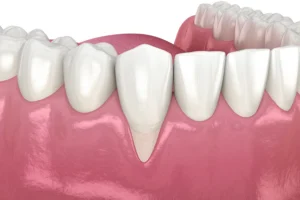
Gum disease is a chronic infection in the space between your teeth and gums. Over time, bacteria can collect below the gumline and create inflammation around the teeth. If that infection is not treated, it can spread deeper into the gums and jawbone, damaging the support that keeps your teeth stable.
Many people think they would know if they had gum disease because they would feel pain. In reality, gum disease often develops quietly. You may not notice anything at first, or you may only see mild symptoms like bleeding when brushing, bad breath, gum tenderness, or gums that look swollen or pulled away from the teeth.
Just because you cannot feel gum disease does not mean it is not there. Similar to blood pressure or diabetes, changes can happen in the body without obvious symptoms. That is why regular screening is so important.
Why Gum Disease Should Be Treated Early
A common question patients ask is, “If my gums don’t hurt, why do I need treatment?”
The answer is that gum disease can affect both your oral health and your overall wellness. When gum disease is left untreated, chronic infection remains in the body. Bacteria and inflammation from the infected areas around the teeth can enter the bloodstream, which is one reason gum health is often discussed as part of whole-body health.
Untreated gum disease can also lead to continued bone loss around the teeth. As the bone and gum support weaken, teeth may become loose, shift, or eventually need to be removed. What starts as a silent infection can become a more complex and costly dental issue over time.
The earlier gum disease is diagnosed and treated, the easier treatment typically is. Early treatment can help stop the infection, protect the bone around your teeth, and reduce the risk of future tooth loss.
The First Step Is A Periodontal Evaluation
If you have not been to the dentist in years, you do not need to know exactly what treatment you need before making an appointment. That is what the evaluation is for.
A gum disease screening or periodontal evaluation is not that different from a regular dental exam. The appointment is simply more focused on the health of your gums, bone, and supporting structures around your teeth.
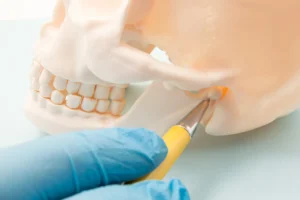
During your visit, our team may take X-rays or review recent X-rays if you already have them. We will carefully look at each tooth, but we will also evaluate the gum tissue and bone surrounding those teeth. This may include measuring the space between your teeth and gums, checking for plaque and tartar buildup, and looking for signs of infection below the gumline.
These measurements help us understand whether gum disease is present, how advanced it is, and what treatment options may be most appropriate for you.
What If You Feel Embarrassed About Your Teeth?
Feeling embarrassed is one of the biggest reasons patients delay care. Many people worry they will be judged for waiting too long, having visible buildup, bleeding gums, loose teeth, or needing more treatment than they expected.
Please know that our team is not here to criticize you. We are here to help you take the next step.
Most people who have delayed dental care did not do so because they did not care about their health. They did so because life got in the way, fear took over, cost felt overwhelming, or they did not know where to start. Those are real barriers, and they deserve to be met with understanding.
The best thing you can do is begin. Once we know what is happening, we can explain your options clearly and help you move forward at a pace that feels manageable.
Has Gum Disease Treatment Changed?
Yes. Gum disease treatment has changed significantly over the years.
Many patients hear stories from friends, family, or the internet about gum surgery that involved cutting, stitches, uncomfortable recovery, or a long healing process. While some advanced cases may still require surgical treatment, that is not the only option available today.
Modern periodontal care includes minimally invasive techniques and advanced technology that can make treatment more comfortable than many patients expect. At Advanced Periodontics, our team uses minimally invasive approaches whenever appropriate, including laser treatment options for gum disease.
Laser gum treatment can allow us to treat infection with no cutting, no stitches, and no traditional sewing. In some cases, patients may even be able to have the entire mouth treated in one visit and return to work the next day.
Every case is different, but it is important to know that gum disease treatment is not automatically as scary or invasive as many people imagine.
What Are The Treatment Options For Gum Disease?
Your treatment plan will depend on the severity of your gum disease and the health of your teeth, gums, and bone.
For some patients, treatment may begin with a deep cleaning, also known as scaling and root planing. This removes plaque, tartar, and bacteria from beneath the gumline so the gums can begin to heal.
For more advanced gum disease, additional periodontal therapy may be needed. This may include laser treatment, localized medication, maintenance visits, or other minimally invasive procedures designed to reduce infection and stabilize the gums.
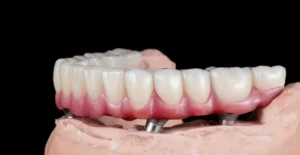
If gum disease has already caused bone loss or loose teeth, your plan may include more advanced care to protect remaining teeth or replace teeth that cannot be saved. The goal is always to create a plan that fits your current health, your comfort level, and your long-term needs.
What Happens After Gum Disease Treatment?
Treating gum disease is not just about one appointment. Because gum disease is a chronic condition, long-term maintenance is important.
After active treatment, many patients need periodontal maintenance visits more often than traditional cleanings. These visits help keep bacteria under control, monitor gum pocket depths, and reduce the risk of the disease returning or progressing.
Your team will also help you understand how to care for your gums at home. That may include brushing techniques, flossing or interdental cleaning, antimicrobial rinses, or other recommendations based on your specific needs.
The goal is to help you keep your teeth healthy, protect your gums, and feel confident maintaining your results.
How To Start When You Feel Overwhelmed
If you feel overwhelmed, start with one step: schedule the evaluation.
You do not have to solve everything today. You do not have to know what treatment you need. You do not have to explain why it has been so long since your last dental visit. You simply need a starting point.
At your consultation, our team will take a detailed look at your gum health, explain what we see, and talk through your options in a way that feels clear and approachable. If you need treatment, we will help you understand what is urgent, what can wait, and what steps can help you get back to better oral health.
Schedule A Gum Disease Consultation In Monroe, CT
If you have not been to the dentist in years and are worried about gum disease, Advanced Periodontics is here to help you restart care without judgment. Our team provides advanced, minimally invasive gum disease treatment in a comfortable environment for patients in Monroe, CT and surrounding communities.
The sooner gum disease is diagnosed and treated, the better the outcome can be. Call (203) 268-2000 today to schedule your consultation and take the first step toward healthier gums, stronger teeth, and a more confident smile.