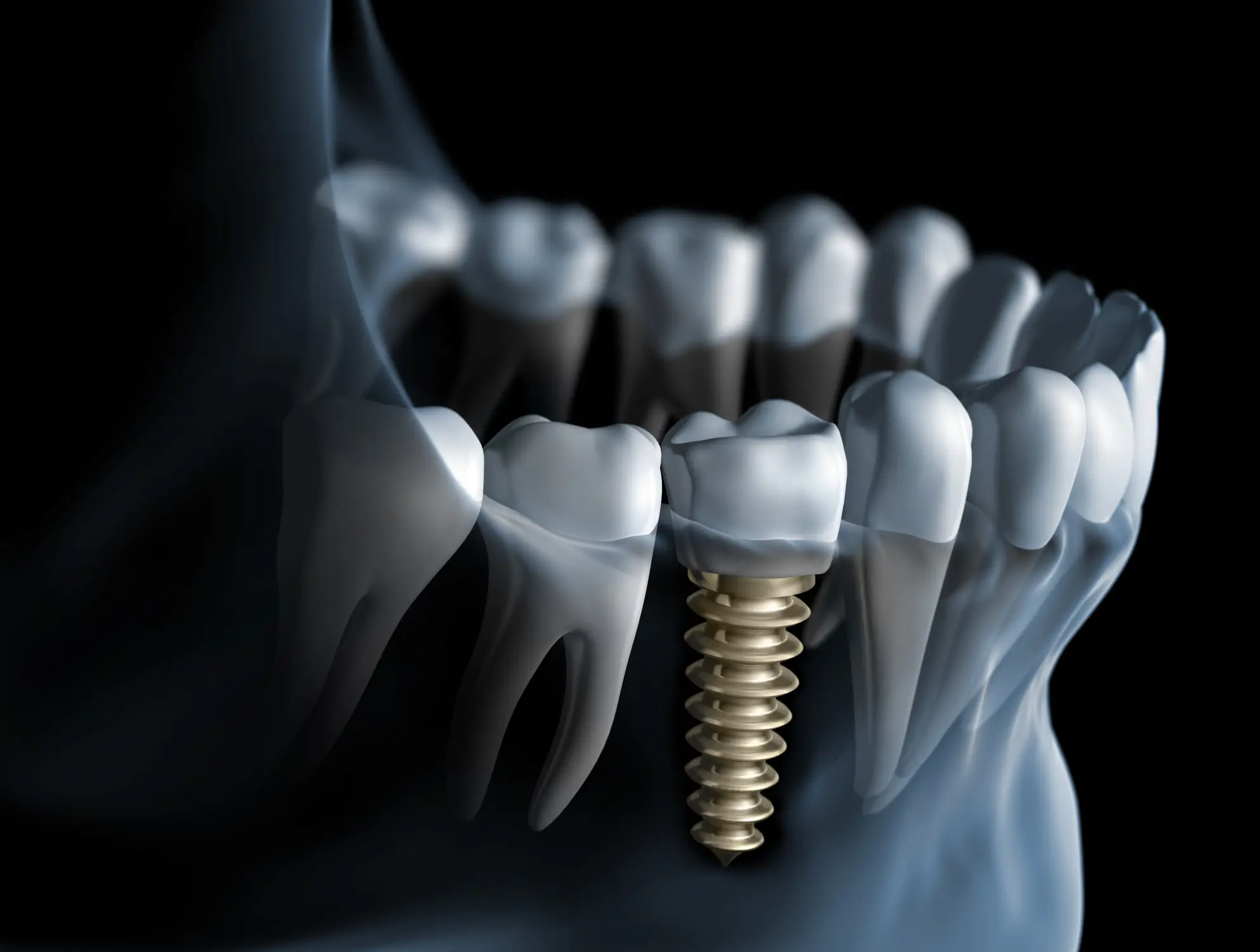
Dental implants have changed the way we restore smiles. They’re strong, natural-looking, and designed to help people eat, speak, and smile confidently for many years. At Advanced Periodontics in Monroe, CT, we place and care for dental implants every day, and we love seeing the life-changing impact they can have for our patients.
But there’s one important thing we always remind people: dental implants still need care.
Just like natural teeth, implants live in a biological environment—surrounded by bone and gum tissue. And that means they can develop infections if bacteria accumulate around them. One of the most common implant complications we see is a condition called peri-implantitis.
The good news is that modern periodontal care has come a long way. Thanks to advanced laser technology, we now have effective, minimally invasive ways to treat implant infections and help patients keep their implants healthy.
At Advanced Periodontics, Dr. Amato uses a specialized laser procedure called LAPIP (Laser-Assisted Peri-Implantitis Procedure) to help save implants that might otherwise need to be removed.
Let’s take a closer look at what peri-implantitis is, why it happens, and how laser treatment can help protect your smile.
Dental Implants Are Strong — But They Still Need Care
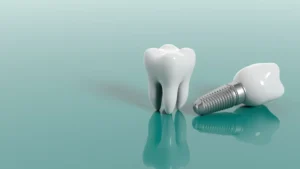
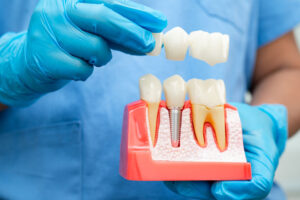
Dental implants are designed to function like natural tooth roots. A small titanium post is placed into the jawbone, where it integrates with the bone and provides a stable foundation for a crown, bridge, or denture.
Because implants are made from durable materials, many patients assume they are permanent and maintenance-free.
In reality, implants require many of the same daily habits as natural teeth.
At Advanced Periodontics in Monroe, we encourage our patients with implants to maintain a consistent oral hygiene routine that includes:
- Brushing twice a day
- Flossing daily
- Using interdental brushes or picks
- Attending regular dental checkups and cleanings
The reason is simple: bacteria can still accumulate around implants. When plaque and bacteria build up near the gumline, they can irritate the surrounding tissues.
If this inflammation progresses, it can lead to peri-implantitis.
What Is Peri-Implantitis?
Peri-implantitis is an inflammatory condition that affects the gum tissue and bone surrounding a dental implant.
In many ways, it’s similar to periodontal disease (gum disease) around natural teeth. The difference is that the infection develops around an implant instead.
When bacteria accumulate around the implant, they irritate the gum tissue and trigger inflammation. Over time, this infection can begin to affect the supporting bone.
Common Signs of Peri-Implantitis
Many patients first notice symptoms such as:
- Bleeding when brushing or flossing around the implant
- Red, swollen, or inflamed gums
- Gum tenderness near the implant
- A persistent bad taste or odor
- Difficulty keeping the implant area clean
In early stages, the implant itself may still be completely stable in the bone. But if the infection continues unchecked, it can eventually lead to bone loss and implant failure.
That’s why early diagnosis and treatment are so important.
How Common Are Dental Implant Complications?
Dental implants are one of the most successful procedures in dentistry.
Specialists like Dr. Amato at Advanced Periodontics typically achieve success rates around 98%, which is excellent by any medical standard.
But even with that high success rate, implants are not immune to problems.
Consider this: millions of dental implants are placed every year in the United States. Even if only a small percentage develop complications, that still represents a significant number of patients who need treatment.
Success rates can also vary depending on the experience of the provider. In some cases, implants placed by general dentists may have success rates closer to 75%, which means more implants may eventually need specialized periodontal care.
Many patients come to our Monroe, CT periodontal practice years after their implant was placed somewhere else. Often, they’ve been told their implant was a permanent solution.
So when they suddenly experience bleeding, inflammation, or discomfort around the implant, it can be confusing and concerning.
Our goal is to provide clear answers and effective treatment options that help preserve their investment and protect their smile.
Why Traditional Treatments Have Limitations
When an implant develops an infection, the traditional approach has typically involved a surgical procedure called open flap debridement.
During this procedure, the gum tissue is lifted back so the dentist or periodontist can manually clean the implant surface and remove bacteria.
While this approach can sometimes help, it also has limitations.
The Challenge of Implant Design
Dental implants are shaped like small screws, with threads that help anchor them into the bone.
Those threads create tiny grooves and crevices along the implant surface.
Unfortunately, these spaces also provide perfect hiding places for bacteria.
Mechanical tools can clean some of the implant surface, but they often cannot fully reach all the microscopic areas where bacteria live.
Because of this, traditional mechanical cleaning alone may not eliminate the infection completely.
And when bacteria remain on the implant surface, inflammation can return.
A Modern Solution: The LAPIP Laser Procedure
Advances in dental technology have opened the door to more effective ways of treating peri-implantitis.
At Advanced Periodontics in Monroe, CT, Dr. Amato uses a specialized treatment called LAPIP, which stands for Laser-Assisted Peri-Implantitis Procedure.
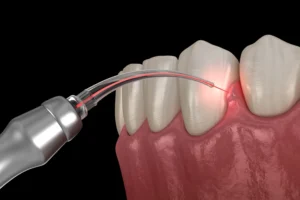
This procedure uses a dental laser to target and eliminate bacteria around the implant.
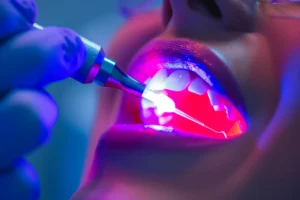
Instead of relying solely on mechanical tools, laser therapy uses focused light energy to disinfect the implant surface and surrounding tissues.
This allows us to treat the infection more thoroughly while preserving healthy tissue.
How Laser Treatment Works
The technology we use at Advanced Periodontics is similar to the laser used in another advanced periodontal treatment called LANAP.
Laser therapy works by delivering precise light energy into the infected area.
This light energy can:
- Destroy harmful bacteria
- Remove diseased tissue
- Reduce inflammation
- Encourage healing in the surrounding gums
Because the laser can reach into the microscopic grooves of the implant threads, it can help disinfect areas that traditional instruments cannot reach.
This makes it a powerful tool for managing peri-implantitis.
Saving Implants Instead of Removing Them
One of the most important benefits of the LAPIP procedure is that it can help save dental implants that might otherwise need to be removed.
Removing an implant is often a complex process.
It typically involves:
- Surgically removing the implant
- Cleaning the infected area
- Performing bone grafting
- Waiting several months for healing
- Placing a new implant
- Restoring the implant with a new crown or bridge
This process can take many months or even over a year.
Whenever possible, our goal is to preserve the existing implant rather than start over.
If the implant is still stable in the bone and not moving, laser treatment can often eliminate the infection and allow the surrounding tissues to heal.
That means:
- Less trauma
- Lower cost
- Faster recovery
- And a better overall experience for our patients
A More Comfortable Treatment Experience
Another advantage of laser therapy is the patient experience.
Traditional surgical treatments can sometimes involve significant swelling, discomfort, and longer recovery times.
Laser-assisted procedures tend to be much gentler.
Many of our patients at Advanced Periodontics in Monroe report that LAPIP treatment involves:
- Minimal discomfort
- Less swelling
- Reduced inflammation
- Faster healing
Because the laser works so precisely, it can target infected tissue while preserving healthy structures around it.
That allows the body to heal more efficiently.
Who Is a Good Candidate for LAPIP Treatment?
Not every implant complication requires the same treatment, which is why a thorough evaluation is essential.
At Advanced Periodontics, Dr. Amato carefully examines each patient’s implant and surrounding tissues to determine the best course of action.
You may be a candidate for LAPIP if you experience:
- Bleeding around an implant
- Swollen or inflamed gums near the implant
- Early to moderate peri-implantitis
- A stable implant that has not loosened
The key factor is whether the implant is still securely integrated with the bone.
If it is, laser treatment can often stabilize the area and stop the infection from progressing.
The Importance of Early Detection
Like most oral health conditions, peri-implantitis is easier to treat when caught early.
That’s why we encourage patients with implants to pay attention to any changes around the implant area.
If you notice bleeding when brushing or flossing, tenderness in the gums, or swelling near your implant, it’s a good idea to schedule an evaluation.
Early treatment can prevent more serious complications and help preserve your implant for years to come.
Protecting Your Dental Implants for the Long Term
Dental implants can last many years—and often decades—with proper care.
At Advanced Periodontics in Monroe, CT, we help our patients protect their implants with a combination of preventive care and advanced treatment when needed.
Some of the best ways to keep your implants healthy include:
Maintain Excellent Oral Hygiene
Brush and floss daily to remove plaque and bacteria around the implant.
Attend Regular Dental Visits
Professional cleanings allow us to monitor your implants and remove buildup that brushing alone may miss.
Watch for Warning Signs
Bleeding or swelling around an implant should always be evaluated promptly.
Seek Specialized Care When Needed
If complications arise, seeing a periodontal specialist like Dr. Amato can make a significant difference in preserving your implant.
Advanced Implant Care in Monroe, CT
Dental implants are an incredible investment in your health, confidence, and quality of life. When complications occur, it’s important to know that modern treatment options are available.
At Advanced Periodontics, Dr. Amato and our team are committed to using the latest technology to help our patients maintain healthy smiles.
The LAPIP laser procedure offers a minimally invasive way to treat peri-implantitis, eliminate harmful bacteria, and help save implants that might otherwise be lost.
If you’ve noticed bleeding, swelling, or discomfort around a dental implant—or if you’ve been told your implant may be failing—we’re here to help.
Our team in Monroe, CT can evaluate your implant, explain your options, and develop a personalized treatment plan designed to protect your oral health.
To schedule a consultation with Dr. Amato at Advanced Periodontics, please call (203) 268-2000 today.
Together, we can help keep your implants healthy and your smile strong for years to come.